
Ad Frequency as Rhythm
Most “creative fatigue” is just media teams misdiagnosing unfinished persuasion
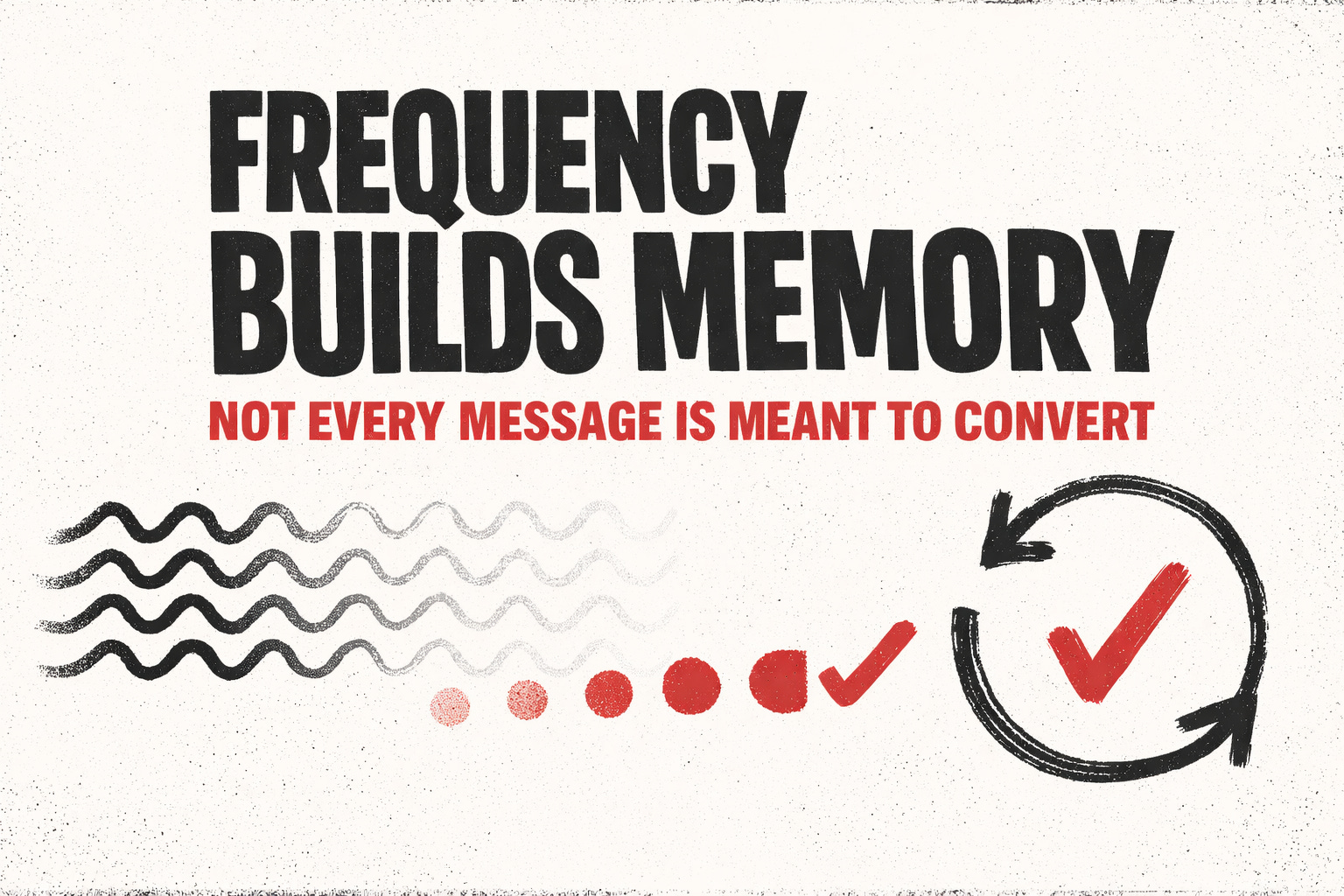
The industry talks about ads as if attention equals influence.
So when performance stalls, we rewrite copy, swap hooks, and blame audiences for getting bored.
But boredom is rarely the problem.
In most accounts the message didn’t fail — it was interrupted.
The campaign didn’t wear out — it stopped mid-thought.
This article isn’t about making better ads.
It’s about finishing the persuasion process you already started.
The Behavioural Principle
Frequency builds memory in stages:
Exposure → Recognition → Familiarity → Preference → Action
Platforms optimise delivery.
Only good operators manage progression.
So when performance plateaus, the question isn’t:
“Is the creative fatigued?”
It’s:
“Did we finish the persuasion cycle?”
The Frequency Operating Curve (print & use weekly)
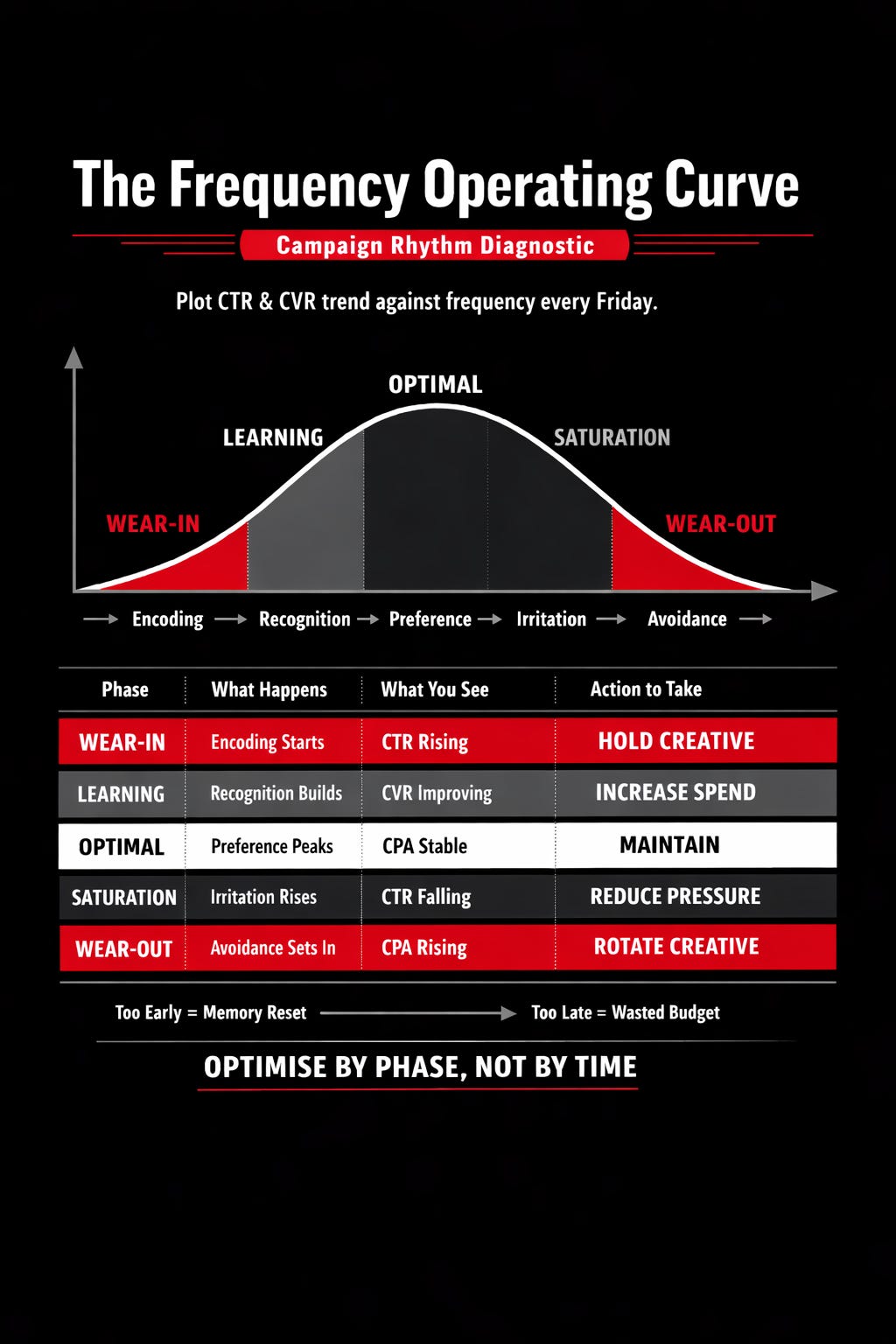
The Weekly Ritual (run this exactly) — now with platform specs + screenshots
Every Friday. Same order. Same 30–45 minutes.
Your goal is to leave with3 decisions: pressure up / hold / reduce + rotate or keep creative.
Step 1 — Check distribution (not average frequency)
You’re looking for: whether delivery is evenly spread, or concentrated in a small pocket of people.
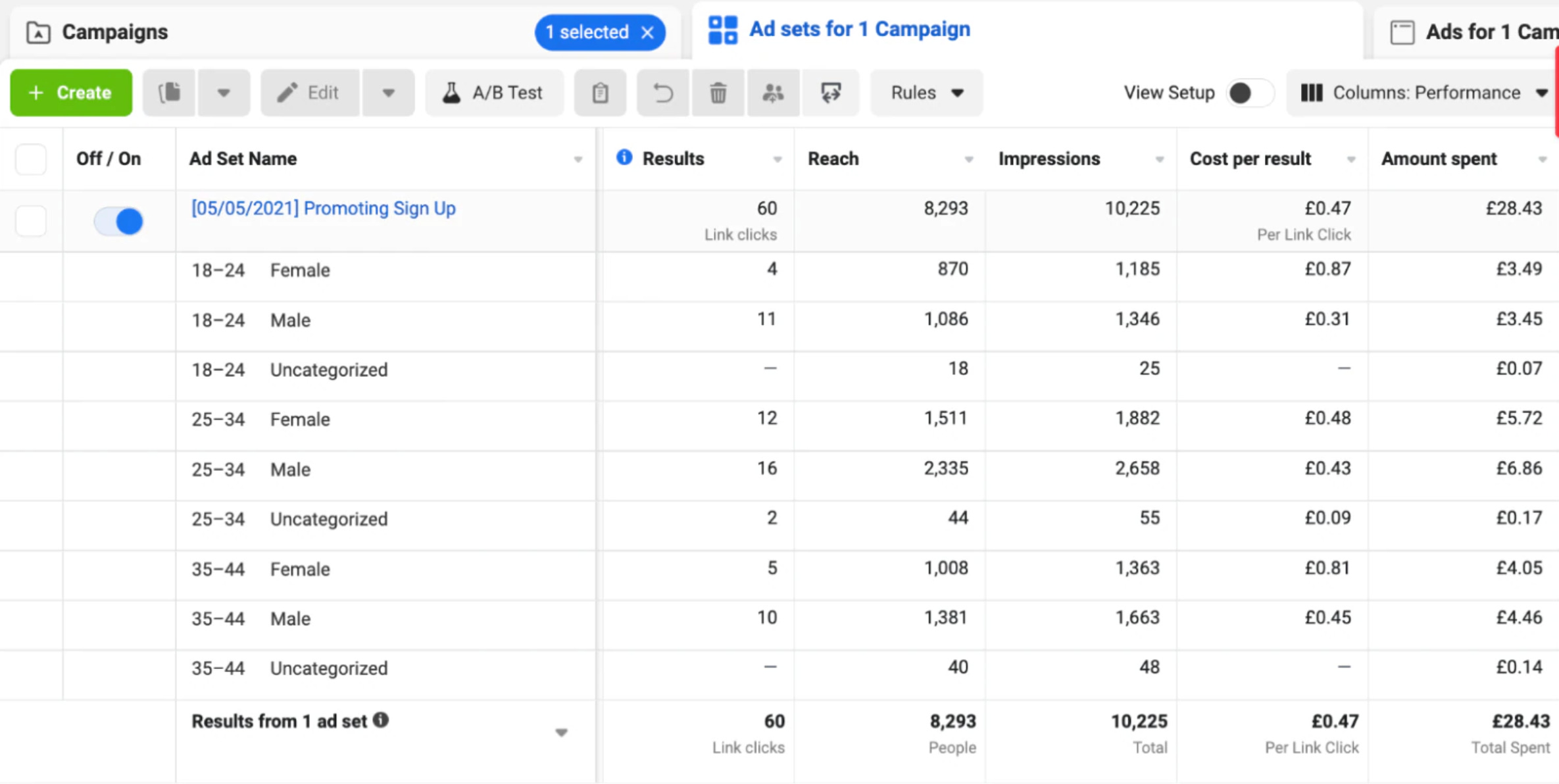
Meta (Facebook/Instagram)
Metric: Frequency
Breakdowns to use: Placement, Age, Gender, Region (if relevant), and Audience / Ad set
Lookback window: last 7 days (primary) + last 28 days (context)
What “bad” looks like: one ad set or placement driving most impressions with frequency rising fast while reach stalls.
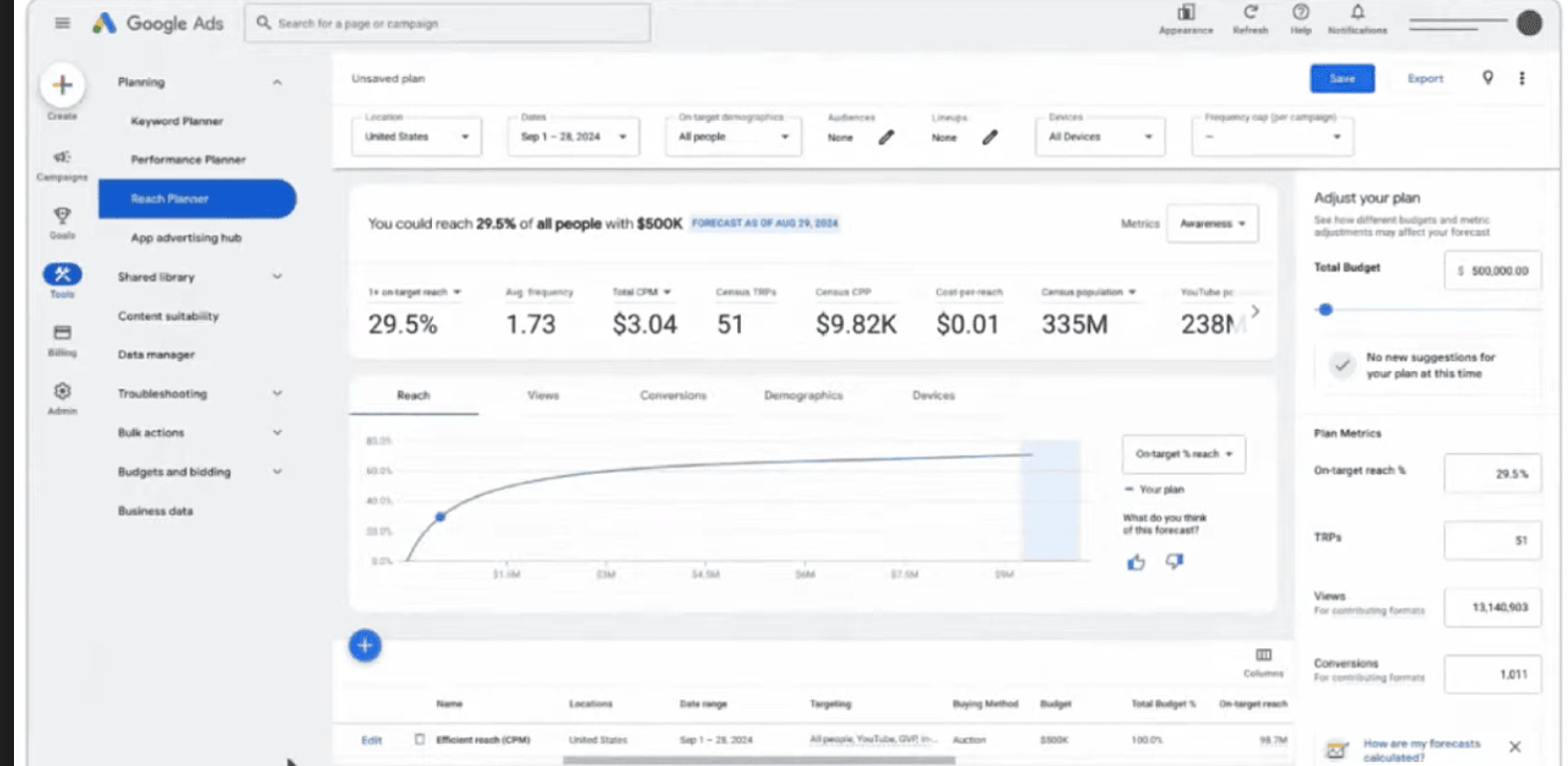
YouTube (Google Ads) — specs
Metric: Impressions frequency / Avg. impr. freq. per user (and Unique reach when available)
Breakdowns to use: Campaign, Ad group, Video (creative), Device
Lookback window: last 7 days + last 28 days
What “bad” looks like: frequency creeping up but unique reach flat, or delivery swinging wildly day-to-day (pacing instability).
CTV (BVOD/SVOD / DSP) — specs
Metric: Household frequency (preferred) or Device frequency
Breakdowns to use: Publisher/Exchange, Deal/PM P, Geo, Daypart (if you use it)
Lookback window: last 7 days (primary) + last 14–28 days (context, depending on scale)
What “bad” looks like: household frequency rising while completion rate / attention proxy drops or complaints/brand risk rises (irritation).
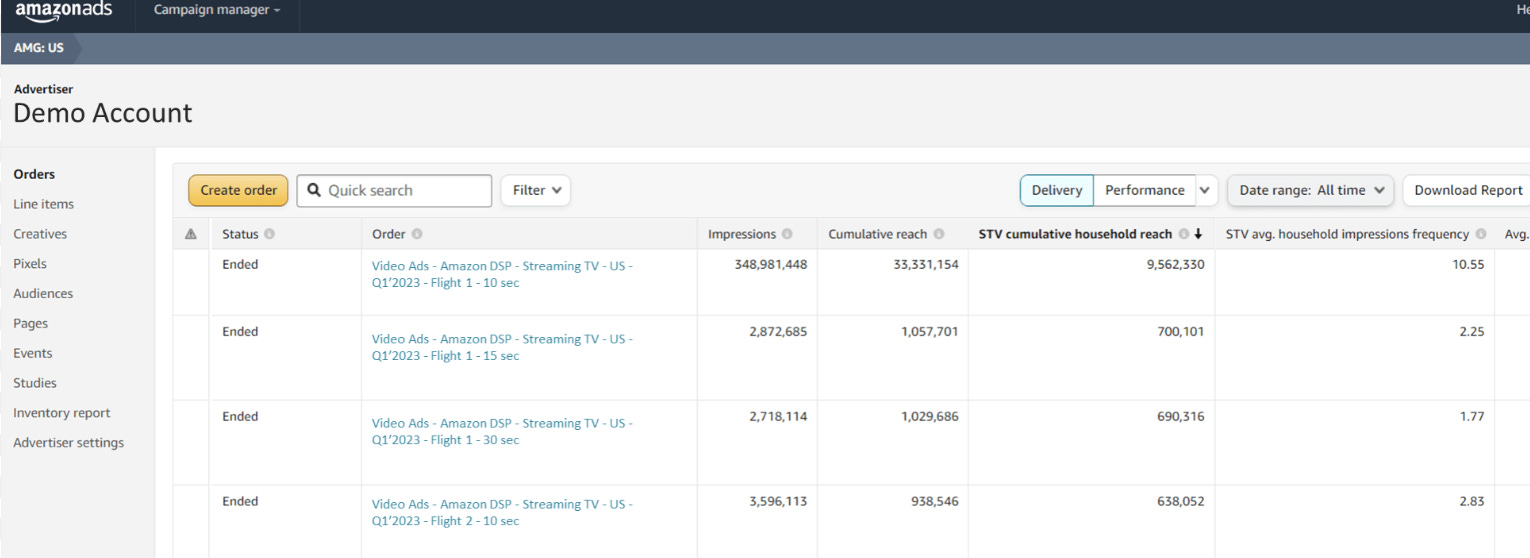
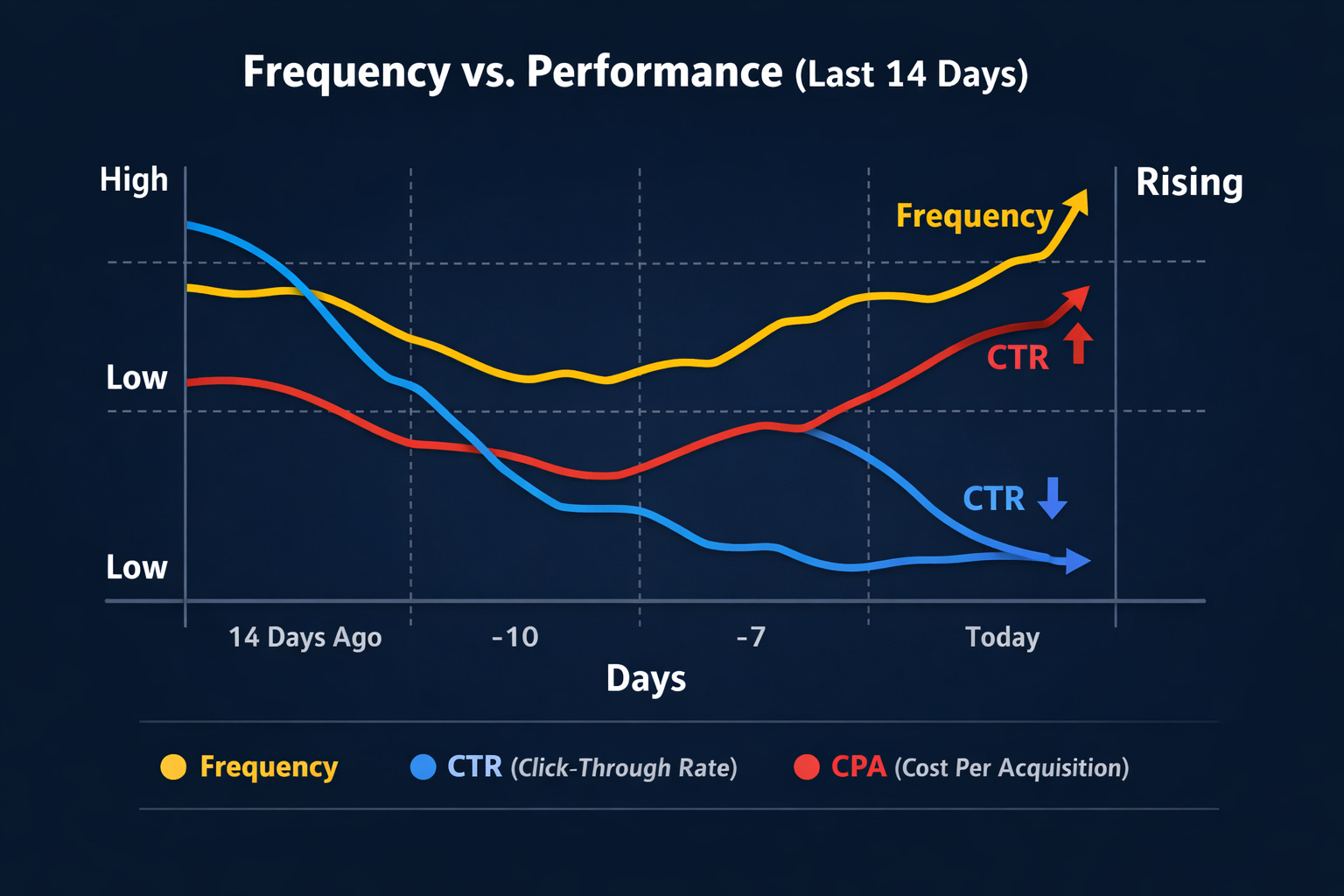
Step 2 — Check slope (trend, not snapshot)
You’re plotting CTR + CVR (or CPA) against frequency.
Trend period: last 14 days (minimum)
Granularity: daily (ideal), 2–3 day rolling average (if noisy)
Output: one quick chart per channel/audience showing:
Frequency over time
CTR trend
CVR or CPA trend
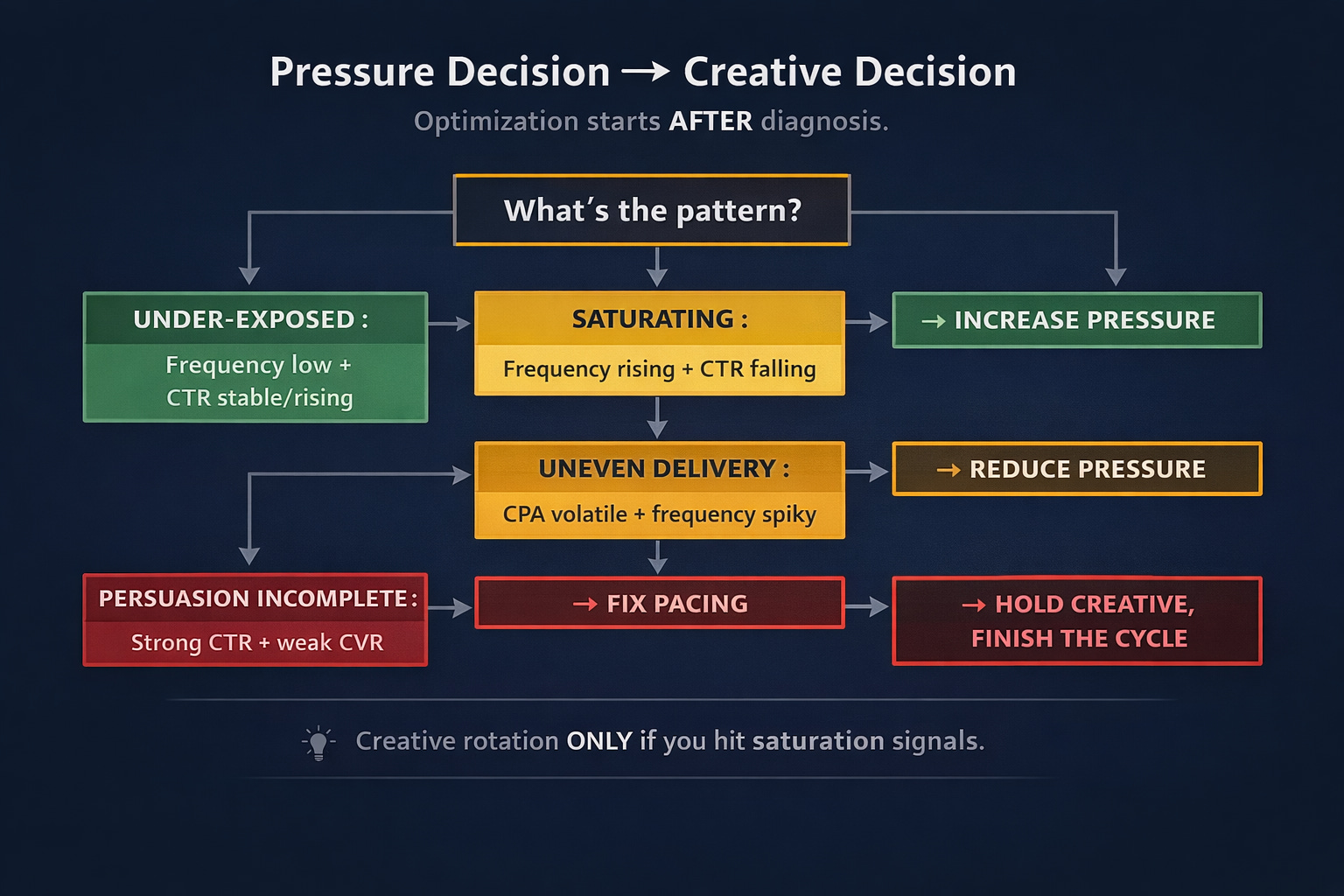
Step 3 — Decide pressure (increase / hold / reduce)
Use this rule set before touching creative.
Under-exposed: Frequency low + CTR stable/rising → increase pressure
Saturating: Frequency rising + CTR falling → reduce pressure
Uneven delivery: CPA volatile + frequency spiky → fix pacing
Persuasion incomplete: Strong CTR + weak CVR → hold creative, finish the cycle
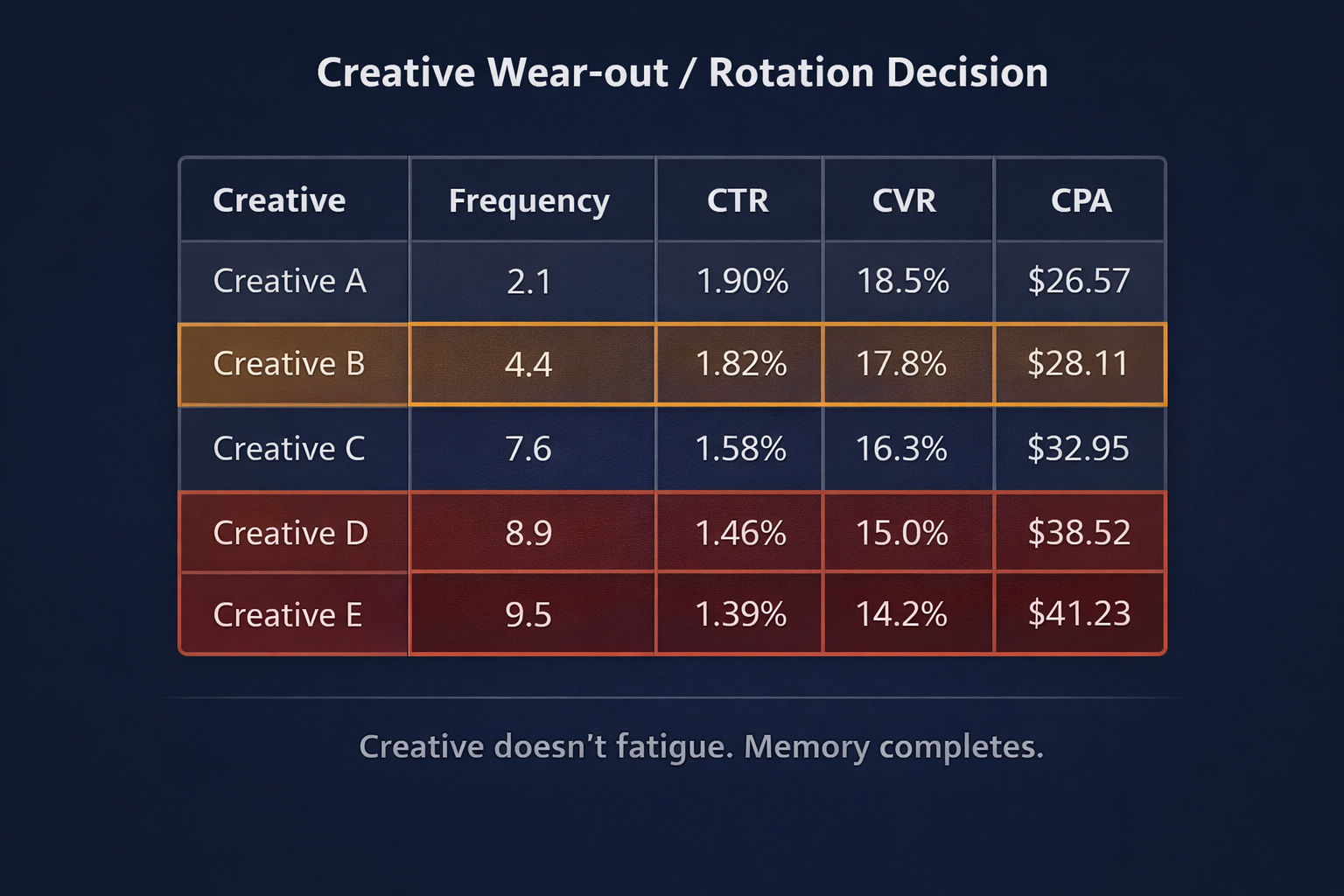
Step 4 — Only then decide creative rotation
Creative is a phase lever, not a panic lever.
Rotate after you confirm you’ve hit Saturation/Wear-out signals.
Do not rotate during Wear-in/Learning unless there’s a compliance/brand issue.
The Friday “Ritual Pack” (what you export every week)
Export/save these 4 artefacts into a folder called: Wk_## Frequency Ritual
Meta: Ad set table screenshot (Reach/Impr/Freq/CPM/CTR/CPA)
YouTube: Reach/Frequency view + campaign table screenshot
CTV/DSP: Household freq by publisher + top supply screenshot
Decision card: Pressure decision + creative decision (1 slide or 1 screenshot)
That’s the workflow. Not optional. That’s how you turn frequency into control.
The Channels Were Never Doing the Same Job
Optimisation fails for a structural reason:
We measure platforms with one logic
while people decide with another.
Media channels aren’t distribution systems.
They are stages of conviction.
Meta — Where willingness appears
Meta doesn’t build belief.
It detects openness.
Meta doesn’t persuade.
It finds when persuasion is allowed.
YouTube — Where understanding forms
YouTube is explanation over time.
YouTube rarely fails from excess delivery.
It fails from unfinished thought.
CTV — Where permission is granted
CTV establishes legitimacy.
CTV doesn’t convince people to buy.
It makes buying feel safe.
Programmatic — Where doubt disappears
Programmatic doesn’t change minds.
It stops them reopening.
Programmatic protects intent from reversal.
The Structure Behind Performance
Meta finds willingness
YouTube builds conviction
CTV grants permission
Programmatic preserves the choice
Campaigns fail when one stage replaces another —
not because media stopped working, but because cognition stopped progressing.
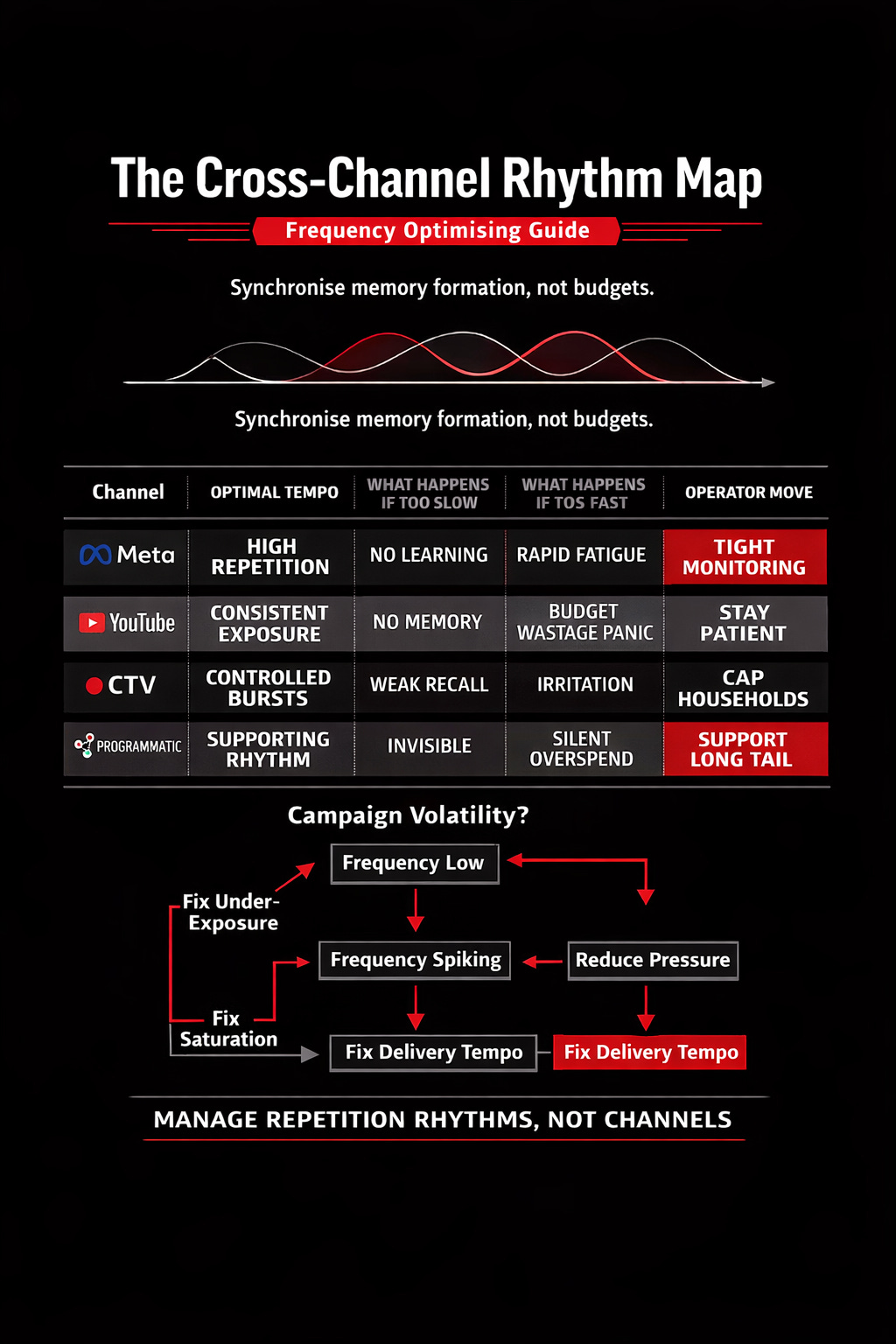
The Troubleshooting Tree
Performance flat?
Frequency low + stable CTR → under-exposed → increase repetition
Frequency rising + falling CTR → saturation → reduce pressure
CPA volatile → uneven delivery → fix pacing
Strong CTR + weak CVR → persuasion incomplete → hold creative
Creative is the last lever — not the first.
Advertising doesn’t persuade instantly.
It accumulates.
Your Goal is to stop accidental Ad Frequency